
If you are looking for a snack or breakfast that is both comforting and incredibly delicious, the Japanese egg sandwich recipe is a perfect choice. This famous sandwich, known as Tamago Sando in Japan, is loved for its unique creamy texture, soft bread, and balanced flavor. This recipe uses simple, fresh, and completely halal ingredients. It is an easy, high-protein meal that is guaranteed to be a hit at any time of day.
What Is a Japanese Egg Sandwich Recipe?
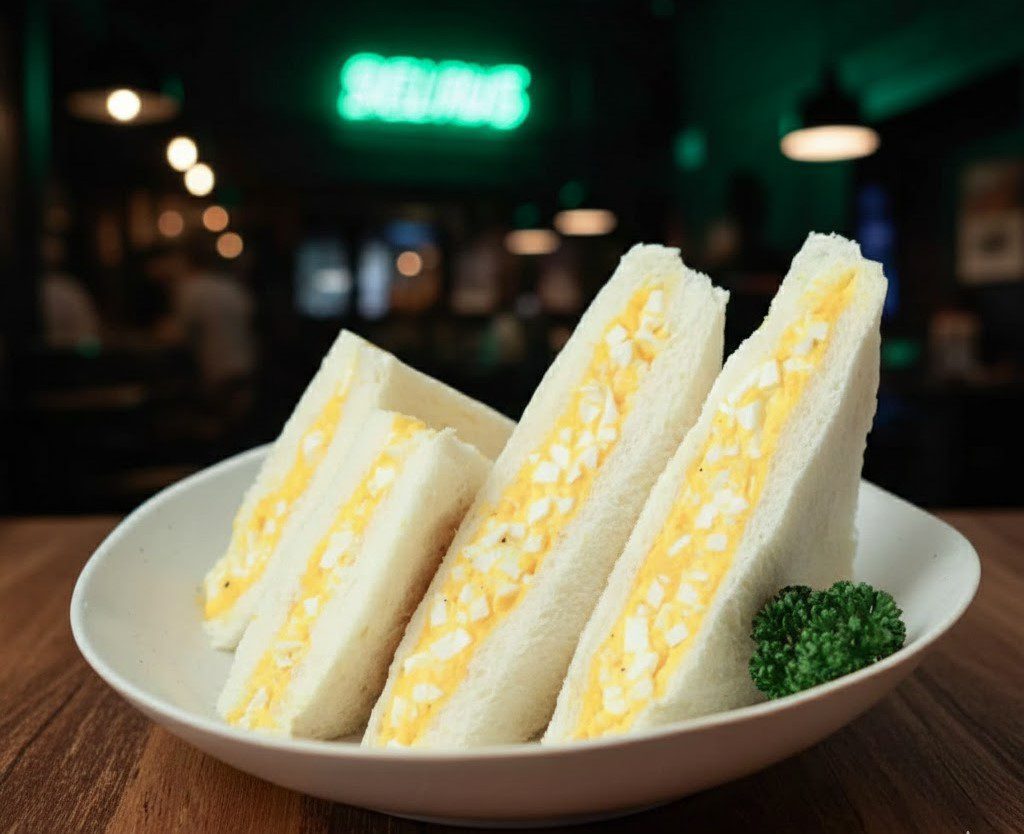
A Japanese egg sandwich recipe describes a popular convenience store item that is surprisingly simple yet incredibly refined. While a regular egg salad sandwich uses firm, chunky eggs and mayonnaise, the Japanese version is different:
- Creamy Filling: The eggs are mashed into a super-smooth, almost velvety consistency.
- Unique Flavor: The dressing uses less vinegar and often includes a touch of sugar and milk, giving it a slightly sweet and savory flavor.
- Soft Bread: It is traditionally served on shokupan (Japanese milk bread), which is known for being extremely soft and thick.
This simple formula turns a common sandwich into a delicious comfort food that people love for its smooth texture.
Ingredients You Need for This Japanese Egg Sandwich Recipe
To make the perfect Japanese egg sandwich recipe, you need high-quality, fresh ingredients. All ingredients listed are naturally halal.
| Ingredient | Quantity | Notes |
|---|---|---|
| Large Eggs | 3 | Use fresh, boiled eggs. |
| Japanese Kewpie Mayonnaise | 2 tablespoons | Must be a halal-friendly version (often made with vegetable oil). |
| Milk | 2 teaspoons | Adds liquid and extra creaminess. |
| Sugar | 1/4 teaspoon | Adds the subtle sweetness unique to Japanese flavor. |
| Kosher Salt | 1/4 teaspoon | |
| Black Pepper | 1/8 teaspoon | |
| Shokupan or Soft Milk Bread | 4 slices | Any soft, halal white bread works well. |
| Salted Butter | To spread | Optional, for toasting or buttering the bread. |
| Chopped Chives or Parsley | Optional | For garnish and flavor. |
Why This Recipe Is Halal & Beginner-Friendly
This Japanese egg sandwich recipe is completely safe and halal because it uses pure, natural ingredients:
- Purity: The core components (eggs, milk, sugar, flour for bread) are naturally halal. We avoid using non-halal mayonnaises that might contain animal additives or alcohol-based extracts.
- Kewpie Note: When buying Japanese Kewpie mayonnaise, look for brands that confirm they use vegetable oils and pasteurized eggs, making them suitable for a halal diet.
- Ease: The recipe is simple, fast, and requires no complicated cooking techniques—perfect for beginner cooks.
How to Make a Japanese Egg Sandwich Recipe (Step-by-Step Instructions)
Follow these clear, easy steps to create the ultimate creamy sandwich:
Step 1: Boil and Prepare the Eggs
Boil the 3 large eggs until they are hard-boiled (about 8–10 minutes). Peel the eggs and let them cool completely. For an extra nice garnish, you can separate one yolk now and save it for later.
Step 2: Make the Creamy Filling
Place the chopped eggs into a medium bowl. Add the sugar, salt, pepper, milk, and the 2 tablespoons of Kewpie mayonnaise. Gently mash the mixture with a fork or a potato masher. You want the eggs to be almost completely broken down into a smooth, creamy texture.
Step 3: Taste and Adjust Flavor
Taste the filling. If you like it tangier, add a small splash of lemon juice. If you like it slightly more savory, add a pinch of paprika or a small amount of extra salt. The key to the Japanese egg sandwich recipe is its balanced savory-sweet profile.
Step 4: Assemble the Sandwich
Lightly toast or butter your shokupan (milk bread) slices. Spread a generous, thick layer of the creamy egg filling onto two slices of the bread. Place the remaining two slices on top and press gently.
Step 5: Trim and Serve
For the classic Japanese look, use a sharp knife to carefully trim off all the brown crusts from the edges of the sandwich. Cut the sandwich in half, either diagonally or straight across. Serve immediately, or chill for 15 minutes for a firmer texture.
Tips for the Best Japanese Egg Sandwich

- Use Soft Bread: The quality of the bread is vital. Use shokupan (milk bread) or the softest white bread you can find.
- Don’t Overcook: Hard-boiled eggs should not be rubbery. A soft texture is key to the creamy filling.
- Chill the Filling: If you have time, chill the egg mixture for 30 minutes before spreading. This makes the filling easier to handle and improves the creamy texture.
- Authentic Sweetness: Do not skip the $\frac{1}{4}$ teaspoon of sugar; it is essential for the authentic, slightly sweet flavor.
Variations You Can Try
- Spicy Kick: Add a small amount of chili flakes or sriracha to the creamy filling for a savory, spicy egg sandwich.
- Healthier Version: Use whole-grain soft bread instead of white bread, and use half Greek yogurt and half mayonnaise for the dressing.
- Veggies: While the classic recipe has no veggies, you can add a thin layer of lettuce or finely chopped cucumber for extra crunch.
Serving Ideas
This simple sandwich is perfect for many occasions:
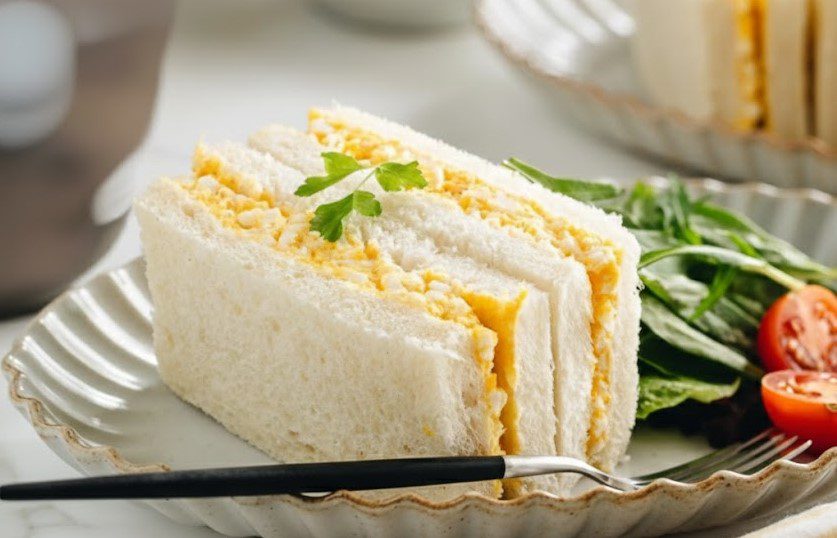
- Breakfast/Lunchbox: It is great for a quick morning meal or packing into a school or work lunchbox.
- Picnics: Its soft texture makes it perfect for picnics or tea-time snacks.
- As a Side: Serve alongside a small bowl of miso soup or a light fruit salad.
Storage Guide (Food Safety)
Since this sandwich contains mayonnaise and eggs, food safety is important.
- Storage: Store leftovers in an airtight container in the refrigerator.
- Shelf Life: It is best consumed within 24 hours. The bread can become slightly dry after 24 hours.
- Do Not Freeze: Never freeze the sandwiches, as the bread will become completely soggy when thawed.
Nutrition Information (Approx.)
| Component | Estimated Value (Per Serving) |
|---|---|
| Calories | 300–350 kcal |
| Protein | 15 g |
| Fats | 20 g |
| Carbs | 25 g |
FAQs About Japanese Egg Sandwich Recipe
Q1. Can I make this sandwich without Kewpie mayo?
A: Yes, you can use any halal regular mayonnaise, but the taste will be slightly different because Kewpie is tangier and richer due to its use of only egg yolks.
Q2. What can I use instead of shokupan?
A: Any very soft, thick white milk bread works well as a substitute, but shokupan is best for the truly smooth, soft texture.
Q3. Is sugar necessary in the Japanese egg sandwich recipe?
A: Sugar is optional, but adding a small amount is what gives the filling a true, slightly savory-sweet Japanese flavor profile.
Q4. Can I add vegetables?
A: The classic recipe is minimal, but you can add a thin layer of lettuce or finely chopped cucumber for freshness and crunch.
Q5. Is this sandwich good for kids?
A: Yes! Because of the soft texture and mild, sweet flavor, it is high in protein and very kid-friendly.
Q6. What is the key to the creamy texture in this Japanese egg sandwich recipe?
A: The key to the creamy texture in the Japanese egg sandwich recipe is using Kewpie mayonnaise (or a similar rich mayo) and mashing the boiled eggs thoroughly until the mixture is nearly smooth, not chunky.
Conclusion
The Japanese egg sandwich recipe is a perfect blend of simplicity and flavor. It is easy to make, uses simple halal ingredients, and provides a deliciously creamy, soft snack or meal. Try this recipe for breakfast or snacks, and enjoy the pure comfort of the perfect Japanese sandwich!

Japanese Egg Sandwich Recipe

Ingredients
- 3 large eggs boiled
- 2 Tbsp Japanese Kewpie mayonnaise halal
- 2 tsp milk
- ¼ tsp sugar
- ¼ tsp kosher salt
- ⅛ tsp black pepper
- 4 slices shokupan or soft milk bread
- Salted butter optional
- Chopped chives or parsley optional
Instructions
- Boil eggs 8–10 mins, peel, and cool.
- Mash eggs in a bowl, add mayo, milk, sugar, salt, and pepper. Mix until creamy.
- Toast or butter bread slices lightly.
- Spread egg mixture on two slices of bread, top with remaining slices. Press gently.
- Trim crusts, cut sandwiches in half, and serve immediately or chill 15 mins.