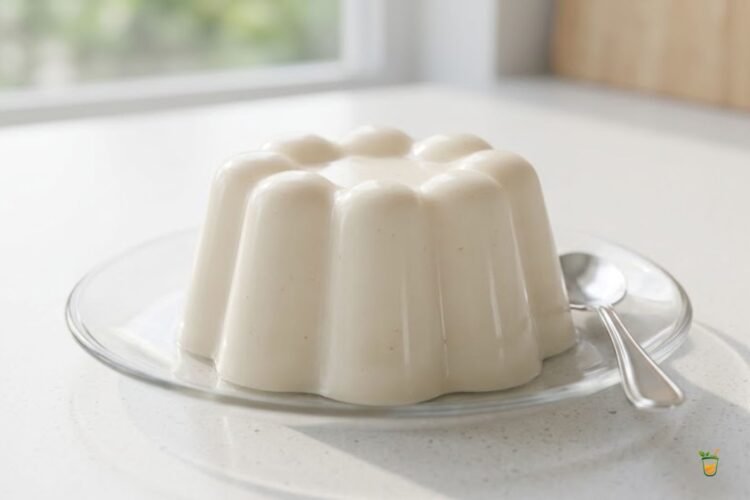
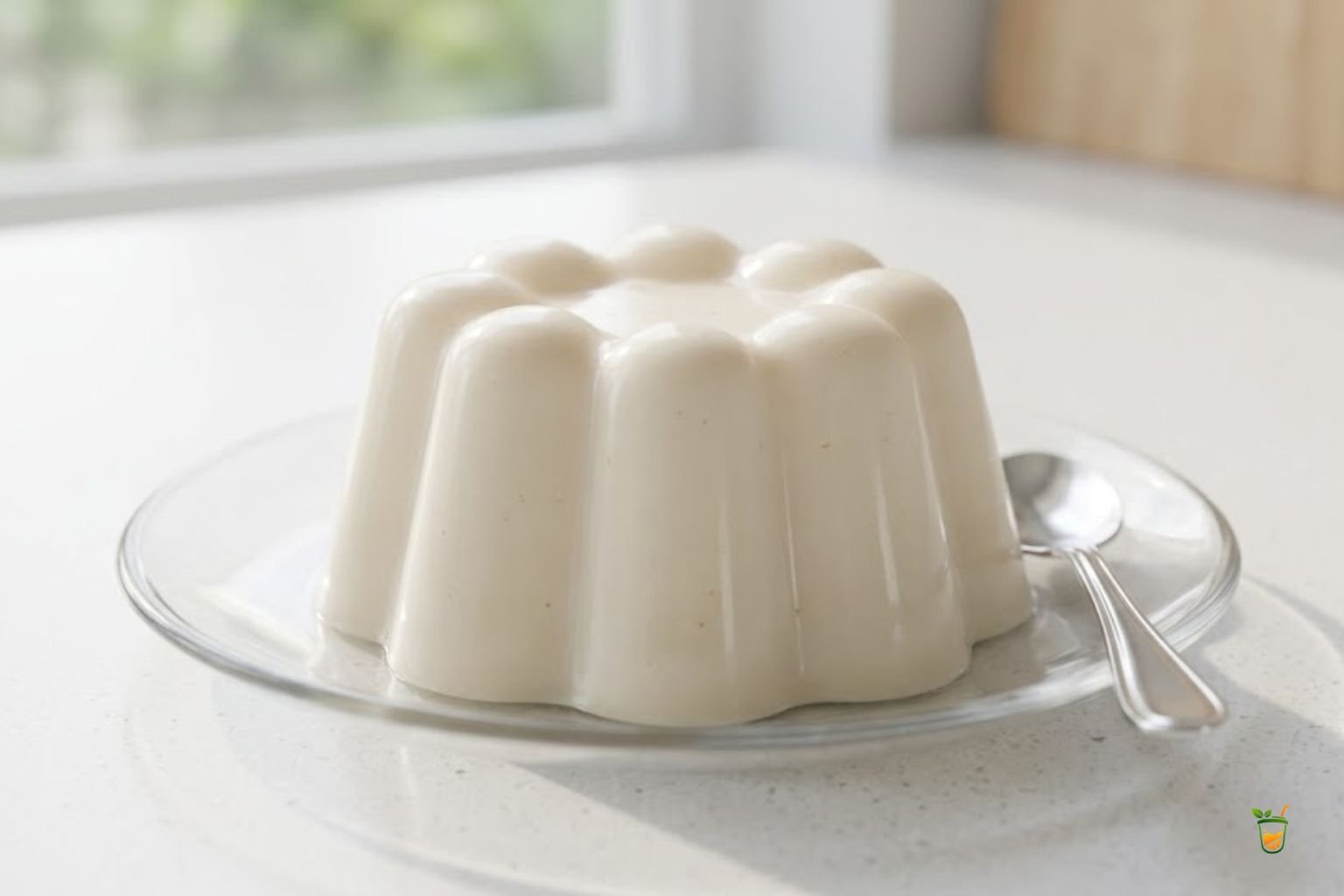
The creamy gelatin snack is a simple chilled recipe made with sugar-free gelatin, KetoCal 4:1 LQ, and canola oil. It creates a smooth, creamy, high-fat snack with a specific 4:1 ketogenic ratio. This recipe is designed for medical ketogenic dietary management, not as a regular keto dessert or weight-loss recipe.
What Is a Creamy Gelatin Snack?
This recipe combines sugar-free gelatin with KetoCal 4:1 LQ and a small amount of canola oil to create a smooth, creamy, chilled snack. The gelatin gives the mixture its structure, helping it set into a firm, spoonable texture once refrigerated. The creaminess comes primarily from the KetoCal and oil, both of which are high in fat.
KetoCal is included because it’s specifically formulated to help achieve the recipe’s intended 4:1 ketogenic ratio. KetoCal 4:1 LQ is a high-fat, low-carbohydrate medical ketogenic formula intended for the dietary management of drug-resistant epilepsy and other conditions where a ketogenic diet is medically indicated. It isn’t an ordinary cooking cream, protein shake, or general wellness supplement — it’s a medical nutrition product.
Ingredients for Creamy Gelatin Snack
- 3 g Kraft Jell-O® Sugar-Free Gelatin
- 25 g water
- 220 g KetoCal 4:1 LQ (vanilla or unflavored)
- 10 g canola oil
Ingredient Notes
Sugar-Free Gelatin: Provides the gelatin structure and a base flavor for the snack.
Water: Used to dissolve the gelatin powder before combining it with the other ingredients.
KetoCal 4:1 LQ: Provides much of the fat and overall nutritional composition needed to achieve the recipe’s specific ketogenic ratio. It’s available in both vanilla and unflavored versions.
Canola Oil: Adds additional fat to the recipe, helping maintain the intended ketogenic composition.
Important Ingredient Note: KetoCal is a medical food/formula, not a regular cooking cream or an ordinary keto supplement you’d find in a general health food store. It’s intended for use under medical supervision as part of specific medical ketogenic diets.
Equipment You Will Need
- Small heat-safe bowl
- Measuring scale
- Spoon or whisk
- Small mold or dish
- Refrigerator
Tip: Since the ingredients in this recipe are measured in grams, using a kitchen scale will give you far more accurate and consistent results than measuring by volume.
How to Make the Creamy Gelatin Snack
Step 1: Dissolve the Gelatin
Add 25 g of water to a suitable bowl, then add the 3 g of sugar-free gelatin powder. Use hot water and stir until the gelatin is completely dissolved.
Step 2: Add KetoCal and Oil
Add the 220 g of KetoCal 4:1 LQ, then add the 10 g of canola oil. Stir gently until everything is well combined.
Step 3: Pour Into a Dish
Transfer the mixture into a small mold or serving dish, smoothing the surface if needed.
Step 4: Refrigerate
Place the dish in the refrigerator until the mixture is completely set. Once firm, it’s ready to serve.

Creamy Gelatin Snack Recipe
Ingredients
Equipment
Method
- Dissolve the gelatin in hot water.
- Add the KetoCal LQ and canola oil.
- Stir until combined.
- Pour into a mold or dish.
- Refrigerate until set.
Notes
Nutrient Per Recipe
Calories 426 kcal
Protein 8.6 g
Carbohydrates 2.0 g
Fat 42.6 g
Ketogenic Ratio 4:1 Nutrition Note: These values are based on the specific ingredients listed above and may vary if different products, brands, or amounts are used. The official KetoCal recipe provides these figures for the complete recipe as written.
What Does the 4:1 Ketogenic Ratio Mean?
In simple terms, a ketogenic ratio compares the amount of fat in a recipe or meal to the combined amount of protein and carbohydrate. A 4:1 ketogenic ratio means there are approximately 4 grams of fat for every 1 gram of combined carbohydrate and protein. This fat ratio is much higher than a typical diet, and it’s designed to help the body reach and maintain ketosis for therapeutic purposes. The appropriate ratio for any individual should always be determined by a healthcare professional based on their specific medical needs — it isn’t a number to adjust casually based on personal preference.
Why Is KetoCal Used in This Recipe?
KetoCal 4:1 LQ is specially formulated for medical ketogenic diets, offering a consistent combination of high fat, low carbohydrate, and a defined amount of protein, along with vitamins and minerals. It’s designed to provide a reliable, consistent ketogenic composition batch after batch — something that would be difficult to replicate accurately using ordinary household ingredients alone.
It’s worth being clear that KetoCal shouldn’t be described simply as a weight-loss product. It’s intended for the dietary management of drug-resistant epilepsy and other conditions where a ketogenic diet is medically indicated, under the guidance of a healthcare team.
Tips for Making the Best Creamy Gelatin Snack
Measure Ingredients by Weight: Since this recipe is measured in grams, a kitchen scale is strongly recommended for accuracy.
Dissolve the Gelatin Completely: This helps avoid lumps in the finished snack.
Mix the KetoCal Carefully: Stir until all the ingredients are evenly combined for a smooth, consistent texture.
Refrigerate Until Firm: Give the gelatin enough time to fully set before serving.
Follow Your Prescribed Recipe: If you’re using this recipe as part of a therapeutic ketogenic diet, changing the ingredient amounts can affect the overall ketogenic ratio, so it’s important to stick closely to what’s been recommended for you.
Can You Substitute the Ingredients?
This is an important point to understand: casual ingredient substitutions are not recommended if this recipe is being used as part of a medically prescribed 4:1 ketogenic diet. For example, changing the amount of KetoCal used will change the recipe’s overall nutritional composition; swapping the oil for a different type or amount will change the fat content; using a regular (non-sugar-free) gelatin dessert will change the carbohydrate content; and adjusting the serving size will change the total amount of nutrition consumed. If you’re following this recipe therapeutically, the safest approach is to follow exactly what’s been provided by your healthcare team rather than experimenting with substitutions on your own.
Vanilla vs. Unflavored KetoCal
Vanilla KetoCal adds a mild vanilla flavor, which works well if you’d like the final snack to feel a bit more like a dessert.
Unflavored KetoCal has a more neutral taste, resulting in a less sweet final product.
Both versions are included in the official recipe, so the choice mainly comes down to personal preference.
Storage Instructions
Keep the prepared snack refrigerated at all times, and cover the dish or container to maintain freshness. Keep it chilled until you’re ready to serve it. It’s also worth following any storage guidance provided by your healthcare professional as well as the instructions on the KetoCal product label itself. For KetoCal 4:1 LQ specifically, manufacturer guidance indicates that opened product should be handled according to its own storage instructions and should not be frozen.
Is This Creamy Gelatin Snack for Weight Loss?
This is worth addressing directly and carefully: this recipe should not be marketed or understood as a weight-loss recipe. It’s designed around a medical ketogenic formula and a specific 4:1 ketogenic ratio intended for therapeutic use, not for general weight management. It doesn’t burn fat, it isn’t a fast way to lose weight, and it isn’t a “keto weight-loss dessert” in the way that phrase is often used online. This recipe is designed for a specific medical ketogenic diet and should not be used as a general weight-loss treatment.
Who Should Use This Recipe?
KetoCal 4:1 LQ is intended for medical ketogenic dietary management and should be used under appropriate medical supervision. If you or someone you’re caring for is following a therapeutic ketogenic diet, it’s important to follow the exact instructions provided by a physician or dietitian rather than adjusting the recipe based on general information found online, including this article.
Frequently Asked Questions
What is a creamy gelatin snack?
It’s a chilled, creamy snack made by combining sugar-free gelatin with KetoCal 4:1 LQ and canola oil, designed around a specific medical ketogenic ratio.
How do you make creamy gelatin?
The basic process involves dissolving sugar-free gelatin in hot water, stirring in KetoCal 4:1 LQ and canola oil until combined, then refrigerating the mixture until it’s fully set.
What makes this gelatin snack creamy?
The KetoCal 4:1 LQ and canola oil are what give the mixture its smooth, creamy, high-fat composition once it sets.
Is this a keto gelatin recipe?
It’s specifically formulated as a 4:1 medical ketogenic recipe, rather than simply being a general low-carb dessert you’d find in typical keto recipe collections.
How many calories are in creamy gelatin snack?
The complete recipe contains 426 calories, according to the official recipe.
What is the ketogenic ratio of this recipe?
The recipe is formulated to a 4:1 ketogenic ratio.
Can I replace KetoCal with heavy cream?
This isn’t recommended if the recipe is being used therapeutically, since doing so would change the nutritional composition and disrupt the intended 4:1 ketogenic ratio.
Can I make this recipe without canola oil?
Removing or changing the oil changes the nutritional profile of the recipe and may affect the intended 4:1 ratio, so it’s best to stick with the recipe as written if you’re using it for medical purposes.
Final Thoughts
The Creamy Gelatin Snack is a simple chilled recipe made with sugar-free gelatin, water, KetoCal 4:1 LQ, and canola oil, requiring only a few preparation steps before setting in the refrigerator. The key point to remember, though, is that this is not an ordinary dessert or a general weight-loss recipe — it’s formulated around a specific medical ketogenic ratio. Anyone using it as part of a therapeutic ketogenic treatment should follow their healthcare professional’s exact guidance rather than treating it as a casual recipe to modify.
This article is for informational purposes only and is not medical advice. KetoCal 4:1 LQ is a medical food intended for use under professional supervision. Please consult a qualified healthcare provider or dietitian before starting or adjusting any medical ketogenic diet.